
Residential — Edmond / OKC
Selling a Home in Edmond/OKC
What does it cost to sell a house in Oklahoma?
Selling costs come from a short list: the commission you agree to in your listing agreement, title and closing fees, prorated property taxes, and anything you negotiate with the buyer for repairs or concessions. Each of those is deal-specific and negotiable.
Ask for a written net sheet on your specific property before you list — it turns those categories into real numbers for your address.
Pricing strategy
The first two weeks on market draw the most qualified attention. Pricing above what comparable sales support usually means a price reduction later, from a weaker position, after the initial interest has passed.
- Price from recent closed comparables, not from listing prices of unsold homes
- Consider how your price sits against common search brackets
- Plan a review point in advance — a set date to reassess based on showing activity

Preparing and staging the home
- Declutter and depersonalize before photography, not after
- Handle visible maintenance: paint touch-ups, caulking, sticking doors, lighting
- Clean windows and improve lighting — photos carry the first impression
- Tidy the yard, driveway, and entry; curb appeal sets expectations
What to expect during showings
Expect short-notice requests, weekend clusters, and the need to leave with pets during each visit. Feedback comes in unevenly; showing volume relative to offers is usually a more useful signal than individual comments.
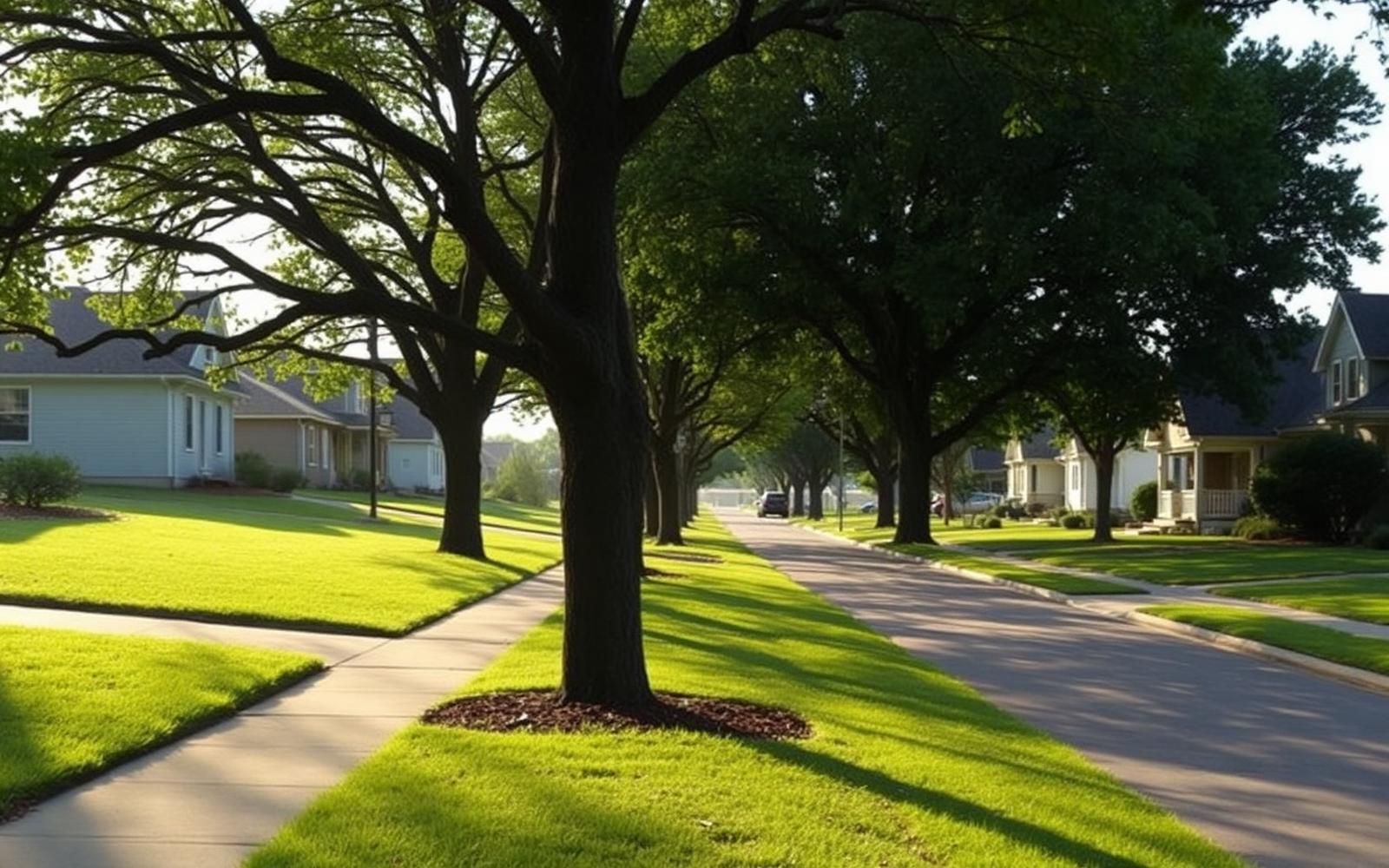
Timeline from listing to closing
- Prep, photography, and listing launch
- Active showings and offer review
- Contract accepted; buyer inspection window
- Repair negotiation, appraisal, and buyer financing
- Title work, final walk-through, and closing
Once under contract, a financed sale commonly runs about 30–45 days to closing. Time on market before that varies with price, condition, and location.
Frequently Asked Questions
Seller costs typically include agreed real estate commission, title and closing fees, any prorated taxes, and any repairs or concessions negotiated with the buyer. Every one of those figures is deal-specific and negotiable, so ask for a written net sheet on your own property rather than relying on a general percentage.
Days on market depends on price, condition, location, and how much comparable inventory is active at the same time. The current local figure is maintained on the market update page and should be treated as an average across the metro, not a prediction for one specific home.
Not always. Deferred maintenance that a buyer's inspector will certainly flag — roof, HVAC, drainage, active leaks — is usually worth addressing, while cosmetic upgrades often return less than they cost. Walk the house with your agent first and prioritize the items that affect financing or inspection outcomes.