
Residential — Edmond / OKC
Buying a Home in Edmond/OKC
What's it like to buy a home in Edmond right now?
Buying in Edmond and Oklahoma City comes down to preparation: a real pre-approval before you tour, an offer built on terms as well as price, and inspections that account for how central Oklahoma soil and weather affect houses here. The mechanics below don't change quarter to quarter, so they're a reliable place to start.
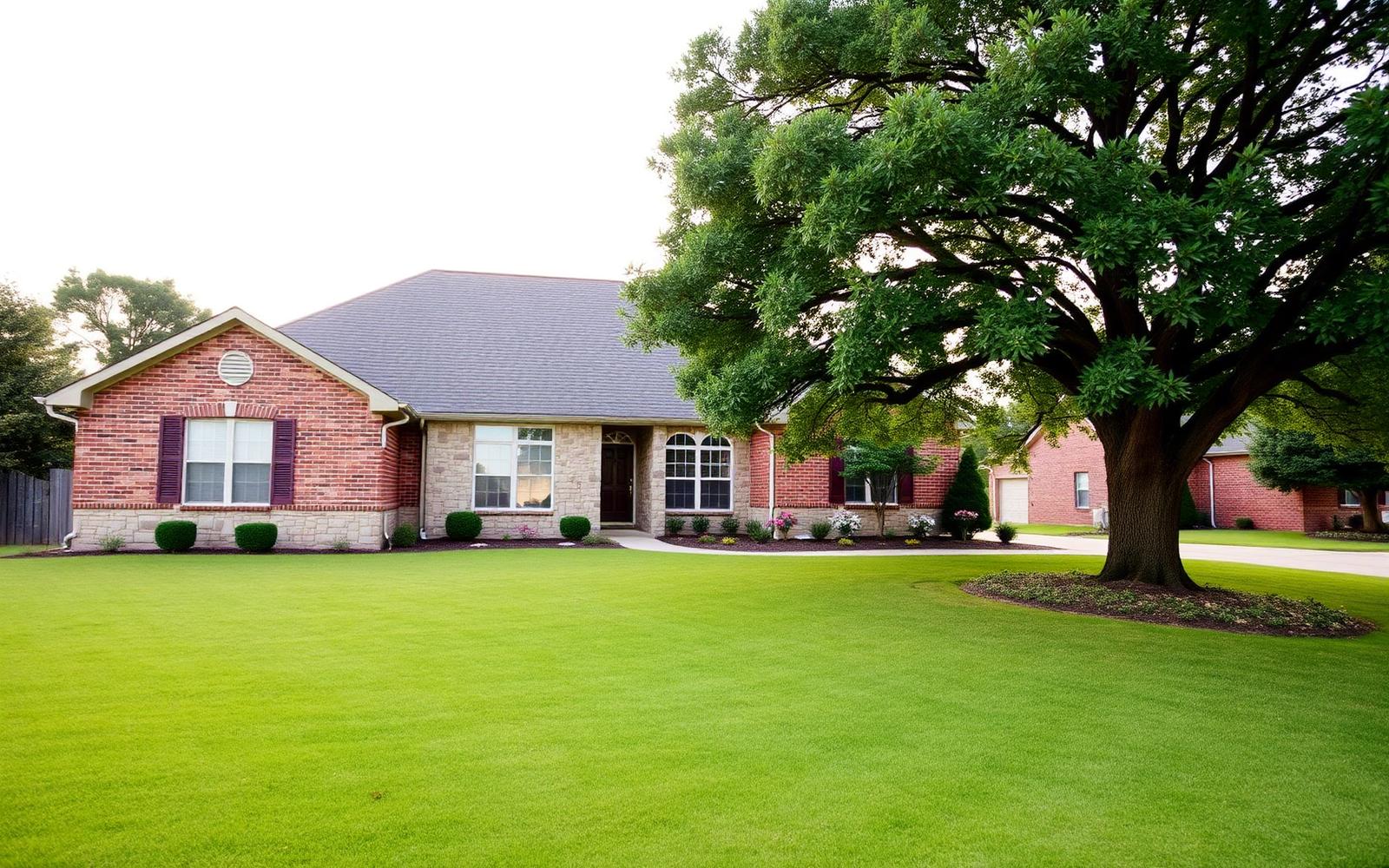
Getting pre-approved
Pre-approval is a lender's written review of your income, credit, and assets — a step beyond a quick online pre-qualification. It tells you what you can actually borrow and signals to a seller that your offer can close.
- Talk to a lender before touring, not after you've found the house
- Compare more than one lender; rates, fees, and program options vary
- Avoid new debt, large deposits, or job changes between pre-approval and closing — underwriting re-checks
Making a competitive offer
Price matters, but terms often decide it. Closing date, earnest money, financing type, and which contingencies you keep all shape how a seller reads the offer.
What inspections commonly find in the area
Central Oklahoma's soil movement and storm exposure show up in inspection reports regularly. Common items include:
- Foundation movement and related cosmetic cracking
- Roof and shingle damage from hail and high wind
- Drainage and grading issues that push water toward the house
- Aging HVAC systems and water heaters near the end of service life
- Septic and well components on properties outside city sewer service
Expected closing timeline
- Offer accepted — earnest money delivered and inspection window opens
- Inspections and any repair negotiation
- Appraisal ordered by the lender
- Underwriting, title work, and clear-to-close
- Final walk-through, then closing and funding
Financed purchases in this market generally run about 30–45 days end to end. Cash closes faster.
Frequently Asked Questions
It depends on the loan program rather than a single fixed number. Conventional loans commonly start around 3–5% down, FHA has its own minimum, and VA and USDA loans can allow zero down for buyers who qualify. Ask a local lender to compare programs against your credit profile and the specific property, since down payment is only one part of the cash you'll need at closing.
A financed purchase in the Edmond and OKC area generally runs about 30–45 days from accepted offer to closing, driven by the lender's underwriting and appraisal timeline. Cash purchases can close faster because there's no loan approval or appraisal requirement to wait on.
You aren't required to have one, but the listing agent represents the seller, not you. A buyer's agent writes the offer, negotiates repairs and terms, coordinates inspections and deadlines, and reviews the contract dates with you so nothing lapses. Agency and compensation arrangements are agreed in writing before you start touring homes.